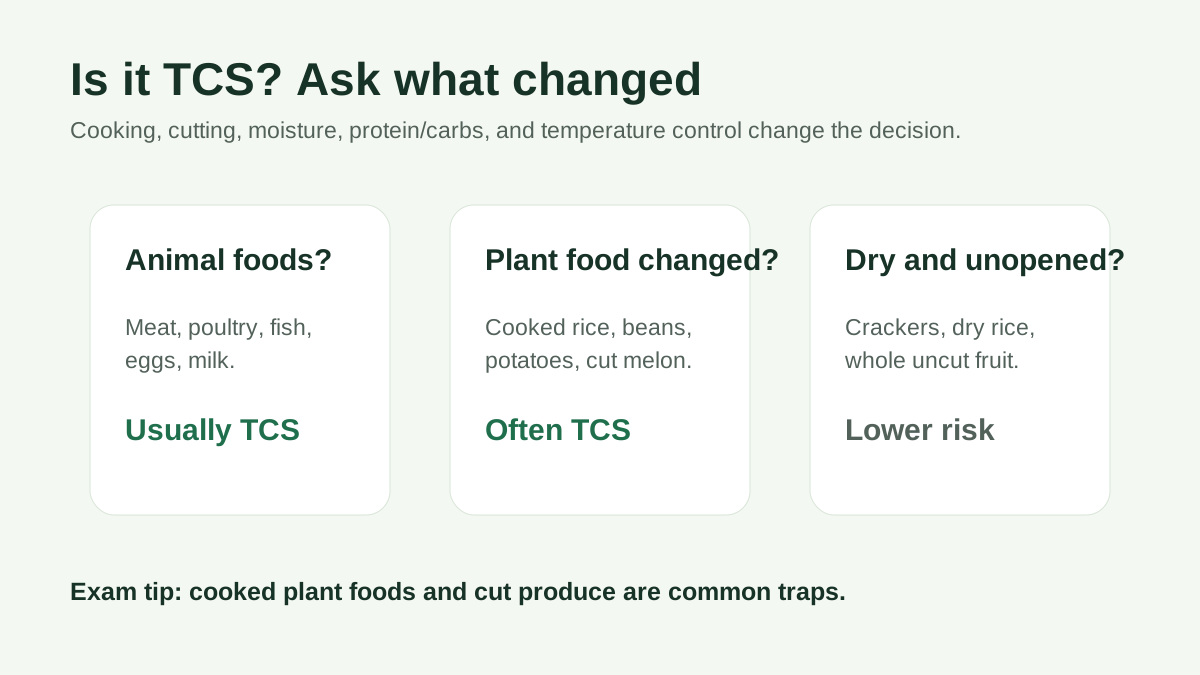
The fastest way to practice TCS foods is to decide whether the food supports pathogen growth and needs time and temperature control, then choose the correct manager action.
Common TCS practice examples include cooked rice, cooked pasta, cooked beans, cut melon, cut leafy greens, milk, eggs, meat, poultry, seafood, and many prepared foods.
Practice prompts
Answer each prompt by naming the food category, the hazard, and the control step. Then check whether your answer uses time, temperature, separation, or discard.
Cooked rice is left on a counter overnight. Is it TCS after cooking, and what should the manager do?
A container of cut watermelon is displayed without cold holding. What rule is being tested?
A dry bag of uncooked rice is stored in the pantry. Is this the same decision as cooked rice?
A salad with cooked chicken is held at 55°F. What is the first rule to identify?
A learner says only animal foods are TCS. Which examples disprove that?
How this converts to exam skill
TCS questions often hide inside cooling, holding, receiving, buffet, picnic, and leftover scenarios. Practice until you can identify the food category before looking at the answer choices.
FAQ
Quick answers
Are all cooked foods TCS foods?
No, but many cooked plant foods such as rice, pasta, beans, potatoes, and vegetables can need time and temperature control after cooking.
What is the best next step after this page?
Take a mixed practice set so TCS decisions appear alongside cooling, reheating, holding, and contamination questions.
Why are TCS foods important for the exam?
They connect to many high-value topics: danger zone, cooling, reheating, holding, receiving, date marking, and discard decisions.
Sources checked
Review basis
This page was last reviewed on July 5, 2026. It is written for exam practice and practical food safety learning, not legal compliance. Food rules and certification details can vary by jurisdiction, provider, and current official materials.
We check high-risk statements such as temperatures, time limits, discard decisions, hygiene, allergens, cleaning, sanitizing, cooling, and reheating against public references where available. If a sentence looks outdated or too broad, send the page URL and source to the contact page.