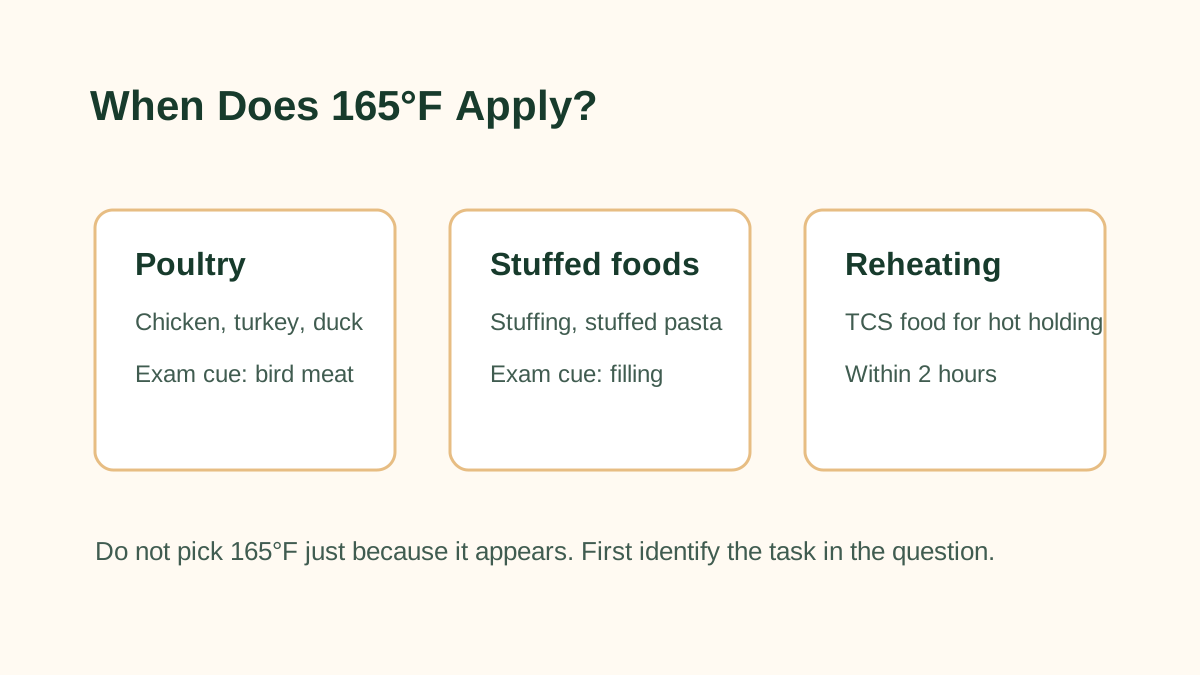
Poultry and specified stuffed foods need 165°F. Reheating food for hot holding uses a different time rule. Learn the distinction, then start free focused practice—no email required.
Reviewed July 1, 2026 · Independent study content, not official certification guidance.
Written by Food Safety Prep Editorial Team · Reviewed by Food Safety Prep Editorial Team
Written byFood Safety Prep Editorial Team
Independent food safety manager exam prep editors
Reviewed byFood Safety Prep Editorial Team
Source review and corrections team
Sources checked5
Primary references are listed on this page so learners can verify the rule.
Under FDA Food Code 2022 § 3-401.11, poultry, stuffed fish, meat, pasta and poultry, and stuffing containing fish, meat, poultry or ratites reach 165°F instantaneously. There is no 15-second hold for these conventional cooking examples.
For food cooked and cooled in the operation, reheating TCS food for hot holding generally requires 165°F for 15 seconds, reached within 2 hours (§ 3-403.11). Commercially processed, packaged ready-to-eat food generally needs only 135°F for hot holding; microwave reheating and qualifying unsliced roasts have separate provisions.
The important detail is that reheating for hot holding is not the same task as cooking raw food for immediate service.
Use the task before the number
A learner who memorizes only 165°F can still miss the question. The exam may ask about chicken, a stuffed item, reheated chili, hot holding, or a food that was cooked correctly but contaminated after cooking.
Chicken or turkey: think poultry.
Stuffed fish, meat, poultry, or pasta: think stuffed food.
Previously cooked TCS food reheated for hot holding: think reheating within 2 hours.
Ground meat is usually a different anchor: 155°F in common manager review.
Seafood, steaks, chops, and eggs for immediate service often point to 145°F.
Exam trap
If cooked chicken is placed back on a raw chicken plate, the issue is cross-contamination. Cooking to 165°F does not make the later raw-juice contact safe.
FAQ
Quick answers
Is ground beef cooked to 165°F?
Under FDA Food Code 2022, ground beef can reach 155°F for 17 seconds; other listed time-temperature combinations are also permitted. Poultry is the classic 165°F cooking example. USDA home-cooking guidance uses 160°F for ground beef, so identify the setting before choosing a number.
Is reheating always 165°F?
No. Food cooked and cooled in the operation generally needs 165°F for 15 seconds within 2 hours for hot holding. Commercially processed, packaged ready-to-eat food generally needs 135°F. Food reheated for immediate service to an individual order is a different situation.
What is the safest way to know food reached 165°F?
Use a calibrated food thermometer in the proper part of the food, not color, texture, or guesswork.
Sources checked
Review basis
This page was last reviewed on July 1, 2026. It is written for exam practice and practical food safety learning, not legal compliance. Food rules and certification details can vary by jurisdiction, provider, and current official materials.
We check high-risk statements such as temperatures, time limits, discard decisions, hygiene, allergens, cleaning, sanitizing, cooling, and reheating against public references where available. If a sentence looks outdated or too broad, send the page URL and source to the contact page.