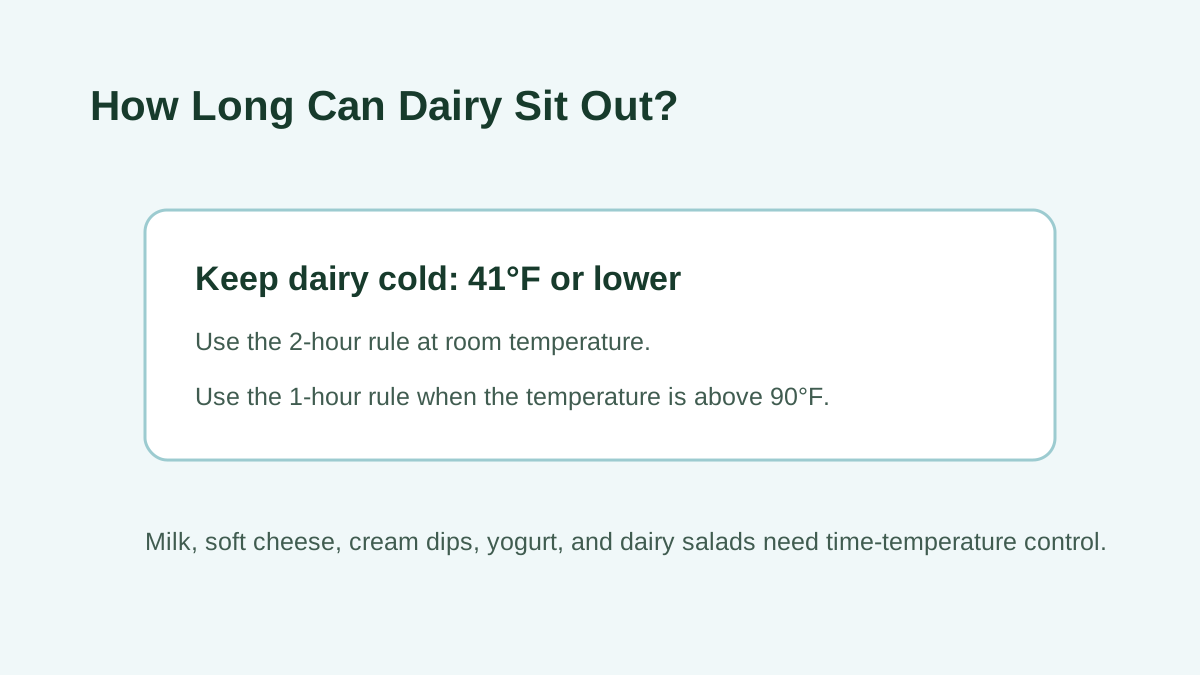
Dairy foods that require refrigeration should not sit out for more than 2 hours at room temperature. When the temperature is above 90°F, use 1 hour as the practical limit.
For food manager study, cold TCS foods are commonly held at 41°F or lower. If dairy leaves cold control too long, discard it rather than taste it.
Which dairy foods need control
Dairy risk depends on the product. Shelf-stable unopened items are different from opened milk, soft cheese, cream dips, yogurt, and prepared salads or desserts.
Milk, cream, half-and-half, yogurt, and soft cheeses.
Cream-based dips, dairy desserts, and custards.
Cheese trays in hot weather or long buffet service.
Dairy-based salads, sauces, and prepared foods.
Exam trap
A question may ask whether a dairy item can be returned to the refrigerator after sitting out. Only do that if the food stayed within safe time and temperature limits.
FAQ
Quick answers
Can milk sit out for 3 hours?
No. For refrigerated milk, 3 hours is beyond the general 2-hour rule. Discard it.
Can cheese sit out longer than milk?
Some hard cheeses are lower risk than milk or soft cheese, but for exam-style and public food-service decisions, use time and temperature control for perishable dairy.
Does sour smell prove dairy is unsafe?
Smell is not a reliable safety test. Food can be unsafe before obvious spoilage signs appear.
Sources checked
Review basis
This page was last reviewed on July 4, 2026. It is written for exam practice and practical food safety learning, not legal compliance. Food rules and certification details can vary by jurisdiction, provider, and current official materials.
We check high-risk statements such as temperatures, time limits, discard decisions, hygiene, allergens, cleaning, sanitizing, cooling, and reheating against public references where available. If a sentence looks outdated or too broad, send the page URL and source to the contact page.