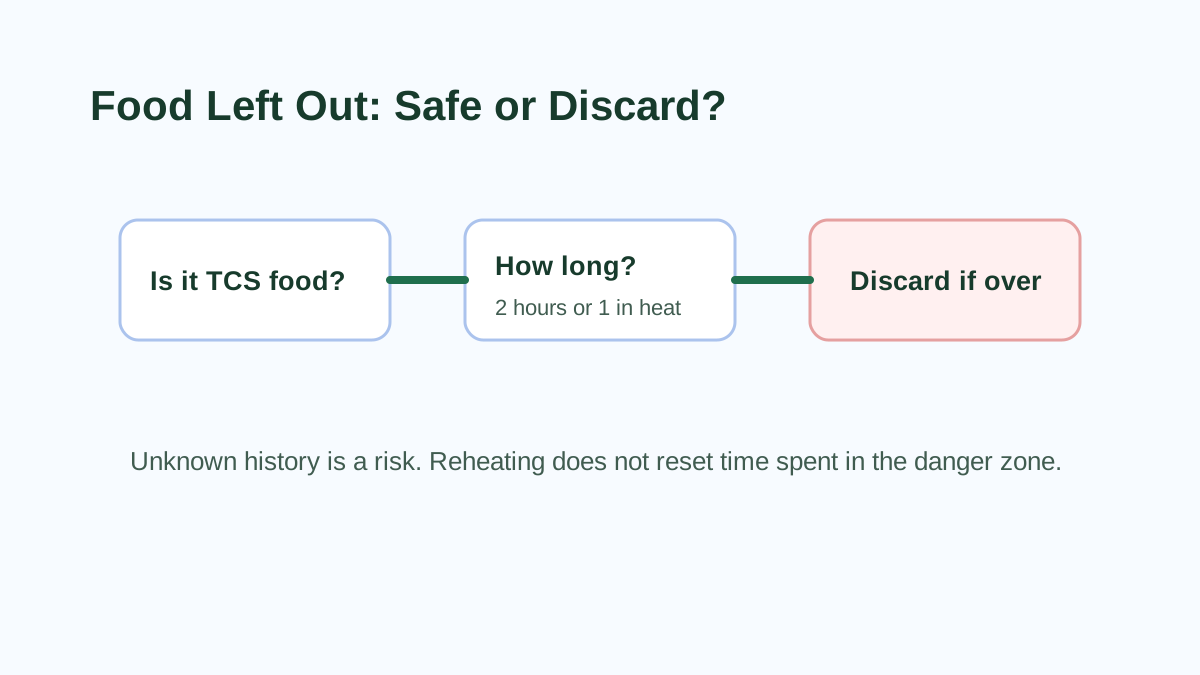
Throw away perishable TCS food if it was left out for more than 2 hours, or more than 1 hour when the surrounding temperature was above 90°F. Also throw it away when you do not know how long it was out.
Do not use smell, taste, or reheating as proof that left-out food is safe.
Foods this usually applies to
The rule is most important for TCS foods because they can support pathogen growth when time and temperature are not controlled.
Cooked meat, poultry, seafood, rice, pasta, beans, and potatoes.
Milk, dairy-based foods, eggs, and egg dishes.
Cut melon, cut tomatoes, and cut leafy greens.
Pasta salad, potato salad, deviled eggs, cooked burgers, hot dogs, and cooked chicken.
Prepared foods with mixed perishable ingredients.
Exam trap
A question may say the food was later reheated. That does not automatically make it safe if it already spent too long in the danger zone or has unknown history.
FAQ
Quick answers
Can I eat food left out overnight?
If it is TCS food, no. Food left out overnight should be discarded.
Can I put left-out food back in the fridge?
Only if it stayed within safe time and temperature limits. If it exceeded the limit or the history is unknown, discard it.
Does reheating make left-out food safe?
Do not rely on reheating to fix unsafe time in the danger zone. If the safe time limit was exceeded, discard the food.
Sources checked
Review basis
This page was last reviewed on July 1, 2026. It is written for exam practice and practical food safety learning, not legal compliance. Food rules and certification details can vary by jurisdiction, provider, and current official materials.
We check high-risk statements such as temperatures, time limits, discard decisions, hygiene, allergens, cleaning, sanitizing, cooling, and reheating against public references where available. If a sentence looks outdated or too broad, send the page URL and source to the contact page.