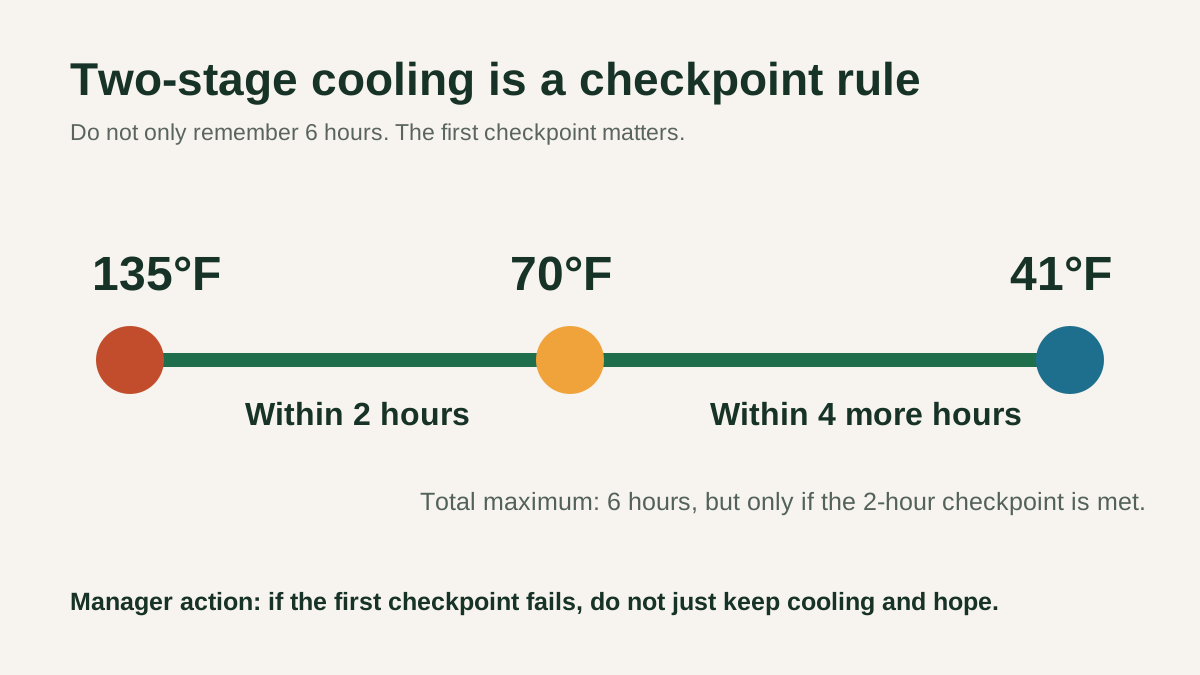
Practice the two-stage cooling rule as a decision sequence: 135°F to 70°F within 2 hours, then 70°F to 41°F or lower within the next 4 hours.
If the first checkpoint is missed, the manager should not simply wait for the 6-hour mark. Corrective action is needed.
Practice prompts
Use these prompts to test whether you can identify the checkpoint and action.
A stockpot cools from 135°F to 80°F in 2 hours. What should the manager do?
A shallow pan reaches 70°F in 90 minutes. What is the next target?
A large covered pot is placed in the walk-in cooler. What is the likely problem?
A cook stirs soup in an ice bath. Which cooling method is being used?
Food reaches 41°F after 7 hours. Why is the total time a problem?
Conversion path
After these prompts, take a mixed practice test. Cooling often appears next to reheating, hot holding, and food-left-out questions.
FAQ
Quick answers
What is the first cooling checkpoint?
TCS food should cool from 135°F to 70°F within 2 hours.
Why do cooling questions mention shallow pans?
Shallow pans help food cool faster and make it more likely to meet the required checkpoints.
What should I drill with cooling?
Drill reheating for hot holding, hot holding, cold holding, and danger-zone questions.
Sources checked
Review basis
This page was last reviewed on July 5, 2026. It is written for exam practice and practical food safety learning, not legal compliance. Food rules and certification details can vary by jurisdiction, provider, and current official materials.
We check high-risk statements such as temperatures, time limits, discard decisions, hygiene, allergens, cleaning, sanitizing, cooling, and reheating against public references where available. If a sentence looks outdated or too broad, send the page URL and source to the contact page.